
The psychology of gambling Understanding the thrill and risk of chance
The Allure of Gambling
The allure of gambling lies in its unique blend of excitement and uncertainty. For many, placing a bet offers a rush that cannot be replicated by other activities. This thrill arises from the anticipation of winning and the potential for significant rewards. In this context, many players seek a fast withdrawal casino to access their winnings quickly, enhancing their overall experience. The element of chance plays a pivotal role in this excitement, as players experience a cocktail of emotions ranging from hope to anxiety. It’s this unpredictability that draws people in, making gambling an appealing pastime.
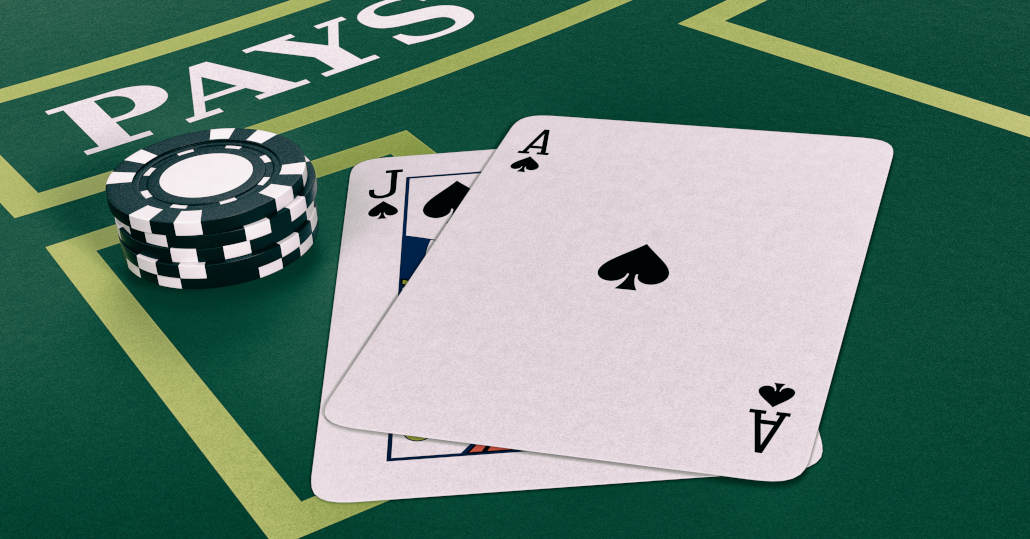
Moreover, the social aspect of gambling further enhances its allure. Casinos and betting venues are often vibrant environments filled with laughter and camaraderie. Players find themselves surrounded by like-minded individuals who share their passion for risk-taking, creating a sense of community. This social interaction not only amplifies the excitement of the experience but also encourages individuals to engage in gambling as a form of entertainment, despite the inherent risks involved.
Additionally, the psychological mechanisms at play can contribute to a gambler’s sustained interest. Cognitive biases, such as the illusion of control, lead players to believe they can influence the outcome of a game through their decisions. This misconception can result in a continuous cycle of betting, as players chase the feeling of a win, often disregarding the statistical realities of their chances. Understanding these psychological components is key to grasping why gambling remains a compelling activity for many.
The Psychology Behind Risk-Taking
Risk-taking is an intrinsic part of human behavior, and gambling is one of the most vivid expressions of this trait. Individuals are often drawn to the possibility of winning big, despite knowing the odds may be against them. This desire can be attributed to various psychological factors, such as thrill-seeking and the dopamine release that accompanies risk-taking. When players place a bet, the anticipation of a potential win triggers a pleasure response in the brain, reinforcing the desire to engage in gambling.
The concept of loss aversion also plays a significant role in gambling psychology. Studies have shown that people tend to prefer avoiding losses rather than acquiring equivalent gains. This fear of loss can lead players to make irrational decisions, such as increasing their bets after losing in hopes of recovering losses. Such behavior exemplifies how emotions can outweigh logical thinking, driving individuals further into the gambling cycle.
Furthermore, cognitive dissonance often occurs in gamblers. When faced with losses, individuals may rationalize their continued participation by focusing on past wins or convincing themselves that luck will eventually turn in their favor. This mental conflict can cause players to ignore warning signs of problematic behavior, resulting in a deeper entrenchment in gambling habits. Understanding these psychological phenomena is crucial for recognizing the complexities surrounding risk-taking in gambling.
The Impact of Environment on Gambling Behavior
The environment in which gambling occurs can significantly influence behavior and decision-making. For instance, the design and ambiance of casinos are meticulously crafted to create a stimulating atmosphere that encourages prolonged play. Bright lights, sounds, and enticing rewards contribute to an environment that heightens excitement and minimizes the perception of risk. This sensory overload can lead players to lose track of time and money, further entrenching them in gambling activities.
Additionally, marketing strategies play a pivotal role in shaping gambling behavior. Promotions, bonuses, and advertisements are tailored to attract players and foster a sense of urgency. This can lead to impulsive decision-making, as individuals feel compelled to take advantage of offers without fully considering the risks involved. The persuasive nature of marketing creates an illusion of favorable odds, misleading players into believing they have better chances of winning than they may actually possess.
Moreover, social pressures can amplify gambling behaviors. Friends and family members who participate in gambling can inadvertently influence individuals to engage in similar activities. This social validation can normalize risk-taking behavior and create a sense of belonging within the gambling community. However, it can also mask the potential dangers associated with gambling, as individuals may downplay their risks in favor of social acceptance and enjoyment.
The Consequences of Gambling Addiction
The thrill of gambling can lead to addiction, a serious condition that affects millions globally. Gambling addiction, also known as compulsive gambling, is characterized by an uncontrollable urge to gamble despite negative consequences. Individuals may find themselves chasing losses or spending money they cannot afford to lose, leading to financial difficulties, strained relationships, and emotional distress. The compulsion to gamble often overshadows other important aspects of life, resulting in a decline in overall well-being.
The psychological effects of gambling addiction can be profound. Many individuals experience feelings of shame, guilt, and isolation as their gambling habits spiral out of control. The need to hide gambling activities from family and friends can exacerbate feelings of loneliness and despair, creating a vicious cycle. Moreover, gambling addiction is often linked to other mental health issues, such as anxiety and depression, which can complicate recovery efforts.
Recognizing the signs of gambling addiction is vital for intervention and support. Understanding that gambling is a risk-laden activity can help individuals make informed choices. Treatment options, including therapy and support groups, provide pathways for recovery. By addressing the psychological roots of gambling addiction, individuals can reclaim control over their lives and find healthier forms of entertainment and risk-taking.

Exploring Responsible Gambling
Responsible gambling is a crucial aspect of the conversation surrounding gambling psychology. It emphasizes the importance of understanding personal limits and making informed decisions. Setting budgets, recognizing warning signs, and remaining aware of the potential for addiction are key components of responsible gambling. By fostering a culture of mindfulness around gambling activities, individuals can enjoy the thrill without succumbing to the risks associated with excessive betting.
Educational initiatives aimed at promoting responsible gambling are becoming increasingly important. Many casinos and online platforms provide resources to help players understand the risks and maintain control over their gambling habits. These resources often include self-assessment tools and information on support networks for those seeking assistance. By prioritizing education, the gambling industry can contribute to minimizing the negative impacts associated with gambling.
Furthermore, incorporating responsible gambling practices into the gaming experience can create a healthier environment for players. Encouraging breaks, promoting moderation, and offering support resources can help individuals engage in gambling responsibly. Creating a balance between enjoyment and caution is essential for fostering a sustainable and enjoyable gambling experience.