
Top 10 Safest Betting Sites in 2025 – Verified & Fully Licensed
Safest betting sites are platforms rigorously evaluated for their commitment to player protection, payment reliability, and transparent dispute resolution. By prioritizing security protocols like encrypted transactions and verified payout histories, these sites function as a trusted filter that directs users toward operators with proven fairness. Their core value lies in minimizing financial and personal data risk, allowing bettors to focus solely on strategy rather than worrying about fund accessibility. To use them effectively, consult aggregated safety scores and user payout reviews before depositing, ensuring your chosen platform consistently meets verified financial integrity standards.
What Exactly Makes a Betting Platform Safe in 2025?
A betting platform’s safety in 2025 hinges on verifiable technical execution, not marketing claims. Check for mandatory two-factor authentication (2FA) on every login and withdrawal, paired with device fingerprinting that flags unrecognized access immediately. Real-time encryption (TLS 1.3) is non-negotiable, but go deeper: inspect whether your session automatically expires after 15 minutes of inactivity and if the site forces re-verification for large cash-outs. Independent audits of their random number generator (RNG) should be published monthly, not annually, with the latest certificate visible on-demand. However, the true differentiator is how the platform handles your data after a failed login attempt—secure sites will lock the account and notify you via a separate channel, not just an in-app alert. Finally, confirm that withdrawal processing is segregated from wagering accounts, ensuring your funds aren’t pooled with operational liquidity. If any of these layers are thin, the platform is not safe for real-money play.

Key Security Layers to Verify Before You Deposit
Before depositing, verify the platform’s minimum security layers for betting sites: confirm TLS 1.3 encryption by checking the padlock icon and certificate issuer, then test two-factor authentication (2FA) is mandatory, not optional, by attempting a withdrawal. Audit whether the site offers time-based one-time passwords (TOTP) rather than SMS-only codes. Check if session timeouts occur after 15 minutes of inactivity and if device fingerprinting blocks rerouted access. *A platform that hides its security stack or lacks a visible bug bounty page is less trustworthy than one that documents its protections.* Finally, inspect whether your account balance is stored separately from operational funds—this is often stated in the terms but rarely verified by users.
Q: What is the quickest way to verify key security layers before depositing?
A: Inspect the website’s TLS certificate, enable 2FA before funding, and search the terms for cold wallet storage or segregated funds. If any layer is missing, choose another operator.
How Encryption and Payment Protections Work Behind the Scenes
When you place a bet, your device and the platform exchange data through TLS 1.3 encryption, which scrambles every packet—including stake amounts, personal details, and session tokens—so interceptors see only gibberish. Payment processing adds tokenization: your card number is replaced with a one-time digital token, meaning the platform never stores your raw financial credentials. Behind the scenes, PCI DSS compliance audits verify that this tokenization and key management follow strict industry standards. Encryption and payment protections also rely on two-factor authentication for withdrawals, where a second code is generated on your phone before funds move.
- Session keys rotate automatically every few minutes to limit exposure if a connection is compromised.
- Payment gateways use address verification systems (AVS) to match billing details against issuer records.
- Fraud-scoring algorithms flag unusual bet sizes or rapid withdrawal attempts, blocking them before processing.
Even the encrypted trail is useless if your own device is compromised, so platforms refresh cookies and require re-authentication on new logins.
How to Quickly Vet a Platform’s Trustworthiness on Your Own

To vet a betting site quickly, start by running a reverse image search on its logo and homepage screenshots—legitimate platforms rarely share identical design templates with scam clones. Next, test the cashier with a minimum deposit and immediately request a withdrawal; a trustworthy site processes this within 24 hours, while shady operators stall with verification loops. Check the site’s SSL certificate by clicking the padlock icon and confirming the domain matches exactly—misspellings or “http” are red flags. Scroll to the footer for a physical address and live chat response time; real companies answer in under two minutes. Search the platform’s exact name plus “scam” or “complaints” on forums like Reddit, but disregard posts older than six months. If a site promises bonuses that seem too generous, they are almost certainly funding them with delayed payouts. Finally, log out and back in twice to see if session tokens persist securely—a weak system here predicts weak financial safeguards.
Simple Checks on Payout Speed, Customer Support, and User Reviews
To vet payout speed without committing funds, check the platform’s stated withdrawal processing time on its banking page, then look for dated user comments confirming same-day or 24-hour approvals. Test customer support pre-deposit by sending a payment-related question and timing the first response; a trustworthy site answers within minutes, not days. For user reviews, filter on independent forums for terms like “delayed withdrawal” or “ignored ticket” while cross-referencing complaint volume over the last 30 days. A pattern of slow payouts, unhelpful agents, or blanket negative feedback should instantly lower the site’s trust score. Conversely, consistent quick-payout verification from multiple users signals reliability.
Red Flags That Instantly Disqualify a Site From Your Shortlist
During your manual vetting, certain signals should end the evaluation immediately. A site that forces cryptocurrency-only deposits while hiding fiat options often lacks banking oversight, so treat opaque payment rails as a top disqualifier. Likewise, if you spot a red flag that instantly disqualifies a site from your shortlist—such as a missing live chat that fails to respond within two minutes during peak hours—walk away. Also reject any platform that displays expired SSL certificates in your browser’s address bar or pressures you with countdown timers for “exclusive” bonuses. Finally, if the terms page contradicts itself on withdrawal limits across two sections, that inconsistency signals future payout friction.
- No verifiable phone support or physical address listed anywhere.
- Negative payout reports that outnumber positive reviews on independent forums.
- Terms that allow confiscating winnings for “irregular play” without defining it.
Which Payment Methods Offer the Strongest Buyer Protection
When you’re on the safest betting sites, your strongest buyer protection comes from methods that offer **chargeback rights and dispute resolution**. Credit cards (Visa, Mastercard) lead here—if a site stiffs you on a payout or charges twice, you can file a chargeback directly with your bank, putting pressure on the bookie to resolve it fast. E-wallets like PayPal and Skrill add a layer too, with built-in buyer protection for eligible transactions, but they usually deny cases involving gambling unless the site misrepresents a service. Bank transfers and crypto are the weakest—once funds leave, you have zero recourse, making them risky even on top-rated platforms. Prepaid cards offer anonymity but no comeback if a bet goes wrong.
Always fund with a credit card or PayPal for the highest chance of clawing back money from a rogue operator.
Stick to these on any site claiming to be safe, and you keep the upper hand.
E-Wallets vs. Cards vs. Crypto: What Each One Means for Your Funds
When protecting your bankroll, the method you choose directly dictates your recourse. Cards offer the strongest chargeback rights, letting you dispute fraudulent or undelivered winnings directly with your issuer. E-wallets like Skrill or PayPal sit in the middle, providing a faster withdrawal buffer but often limiting disputes to 30 days. Crypto, meanwhile, is toronto wolf pack irreversible—once sent, your funds are gone, with zero chargeback safety. For the strongest buyer protection, prioritize cards first, then e-wallets for speed, and only use crypto for small, high-risk bets you can afford to lose. A practical hierarchy emerges:
- Use credit/debit cards for large deposits where dispute leverage matters.
- Switch to e-wallets for quick cashouts and buffer against merchant disputes.
- Reserve crypto exclusively for tiny wagers, accepting the permanent-transaction risk.
How Withdrawal Limits and Verification Steps Affect Your Safety
Withdrawal limits and verification steps directly shape your financial safety on betting sites. Low daily caps reduce the damage if your account is compromised, but they can also trap legitimate winnings, forcing you into prolonged exposure. Verification, while tedious, is your first firewall: it confirms the recipient identity matches the account, preventing payouts to fraudulent wallets. Enhanced due diligence procedures slow large cash-outs, yet this delay is a buffer against chargeback fraud. The logical sequence for maximum protection is: complete full verification before depositing, monitor your withdrawal threshold against your stake size, and only use methods whose limits align with your typical betting budget.
Practical Tips for Keeping Your Account and Personal Data Locked Down
When you finally find a bookmaker that feels right, the last thing you want is a stranger slipping into your account and draining your balance. Start by enabling two-factor authentication everywhere it’s offered—not just on login, but on withdrawals too. I learned this after a friend’s spare device got compromised; his funds stayed frozen because the site required a fresh code for every cash-out. Use a unique, long passphrase for that betting account, never the same one as your email. Treat your betting profile like a bank vault, and review active sessions weekly, kicking out any unfamiliar device.
A session you don’t recognize is a door you’ve left open.
Finally, avoid saving payment details on shared computers, and log out after every session—even on your own phone, because a lost device is a hacker’s lucky day.
Password, Two-Factor Authentication, and Device Hygiene Essentials
For the safest betting sites, your first line of defense is a unique, complex password—never reuse one from other sites. Enable two-factor authentication (2FA) via an authenticator app, not SMS, to block hijackers. Keep your device hygiene tight by updating your phone or computer’s OS and browser regularly, since patches fix vulnerabilities. Follow this routine:
- Create a 12+ character passphrase with symbols.
- Turn on 2FA for both your betting account and email.
- Run a quick antivirus scan weekly and log out after every session.
Avoid public Wi-Fi for bets, and clear your cache after depositing. That’s it—simple habits that keep your cash and personal data locked down.
How to Spot and Avoid Phishing Clones of Your Favorite Platform
To spot a phishing clone of your favorite betting platform, always verify the URL manually instead of clicking email or SMS links—fraudsters register lookalike domains with swapped letters or added hyphens. Check for the padlock icon, but understand it’s not enough; cloned sites often use stolen SSL certificates. Hover over any button to inspect the destination address, and compare the page’s wording against the real site’s official help center for subtle tone shifts. **Enable two-factor authentication** on your genuine account, as this blocks credential theft even if a clone fools you. Bookmark the real platform’s homepage and log in only from there. If a site demands urgent “verification” or unusual payment methods, it’s a clone—leave immediately and report it.

The Hidden Benefits of Choosing a Site with Transparent Terms
When you pick a betting site with transparent terms, the real payoff isn’t just avoiding surprises—it’s that you can actually plan your play without second-guessing every bonus or withdrawal. Clear wagering requirements and payout rules mean you’ll never hit a hidden cliff after a big win, which makes the whole experience feel less like a trap and more like a fair game. This clarity directly boosts your bankroll safety because you’re never betting blind on conditions that could nullify your winnings. You also save real time and stress, since you’re not digging through vague jargon or waiting on support to explain a rule that should’ve been upfront. Ironically, the most “boring” terms page often signals the most protective environment for your money. That predictability lets you focus purely on odds and strategy, not on whether the fine print will bite you later.
Bonus Fine Print: What Wagering Requirements Really Signal
Wagering requirements are the clearest signal of a site’s true intent toward player longevity. A low multiplier—say 5x or less—indicates the operator values real play over rapid churn, allowing you to convert bonus funds without artificial barriers. Conversely, a 35x or 50x rollover on slot-only games with excluded titles reveals a platform designed to trap your deposit, not reward loyalty. Transparent sites also clarify contribution percentages (e.g., slots count 100%, blackjack 10%), so you can calculate your actual odds of cashing out. Hidden time limits or max cashout caps embedded in the fine print further expose predatory behavior. When terms are readable and algorithmically fair, the bonus becomes a genuine risk-free trial; when opaque, it flags a business model reliant on player attrition.
Wagering requirements are a honesty meter: low, contribution-visible terms signal trust; high, exclusion-heavy ones signal a house that profits from your forfeiture.
How Clear Rules on Bets and Withdrawals Reflect Overall Reliability
A site that publishes explicit bet settlement rules and withdrawal timelines removes guesswork before you commit funds. When wagering conditions—like rollover requirements, max bet limits, or voided bet scenarios—are stated plainly, the operator demonstrates confidence in its own fairness. Likewise, transparent withdrawal processing windows (e.g., “48 hours for e-wallets”) signal that cash-out procedures are tested and predictable. If a platform hides these details, it often indicates cash-flow problems or intent to delay payouts. Thus, straightforward payout policies serve as a reliability audit, because they align stated behavior with actual execution. A clear bet settlement framework also prevents disputes by defining edge cases upfront, which is a hallmark of licensed-grade operational discipline.
Q: Why do clear bet and withdrawal rules matter for site reliability?
A: They prove the site can honor its promises—if rules are vague, you cannot verify whether losses are legitimate or funds are trapped. Consistency between written terms and real payouts is the strongest practical signal that the operator is solvent and ethical.
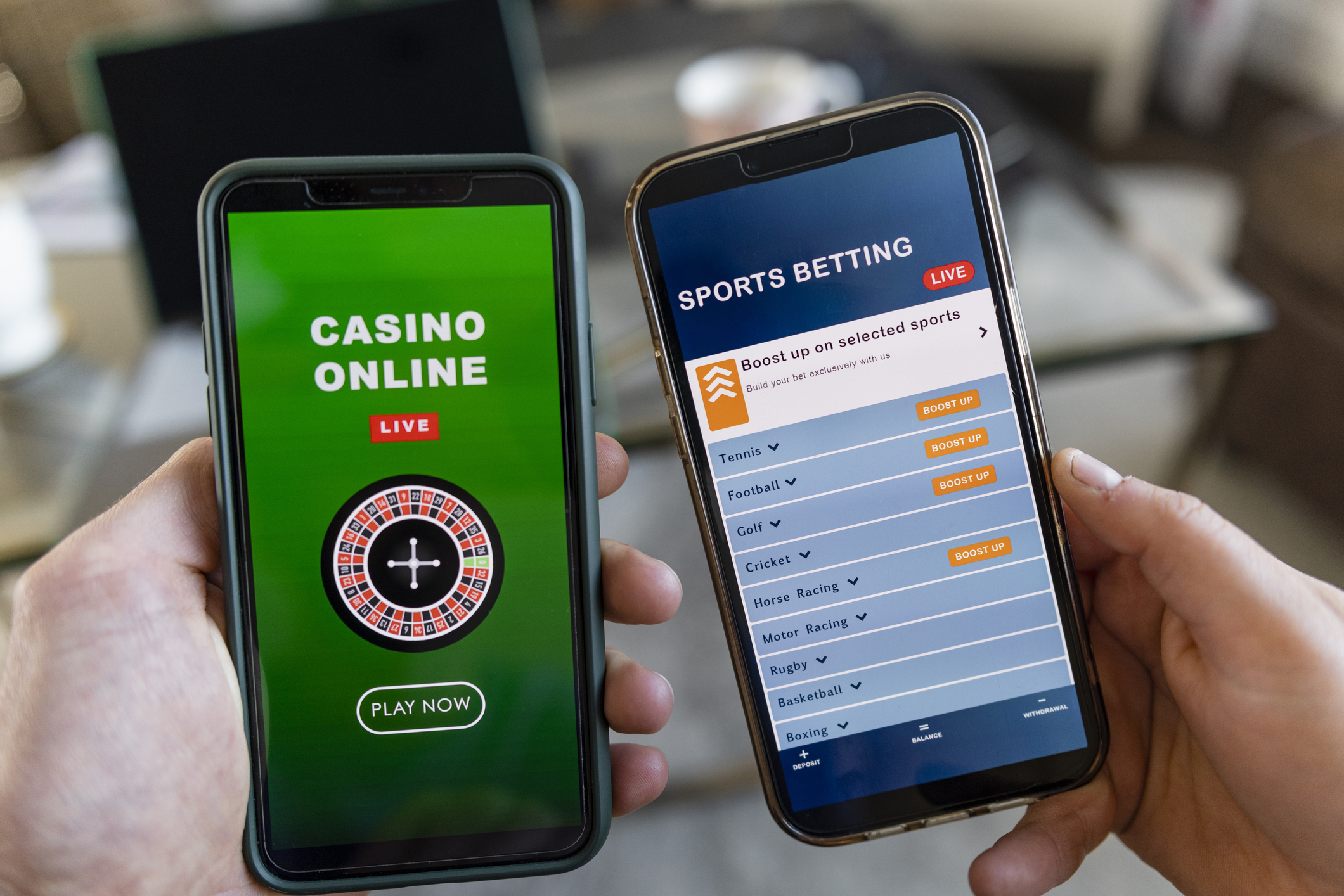
Your Step-by-Step Action Plan for Picking a Secure Betting Home
Your step-by-step action plan for picking a secure betting home starts by verifying the site’s encryption, ensuring your data is locked behind SSL protection before you register. Next, test the withdrawal process with a small deposit, confirming that payouts are fast and free from hidden fees—this is the true marker of a safe operator. Audit the customer support response time by sending a live chat query at odd hours; a sluggish reply signals trouble. Finally, read the terms for bonus wagering requirements, because unfair clauses there can trap your funds. By following this exact sequence, you eliminate guesswork and choose a betting home that prioritizes your financial security over flashy promotions.
Building a Personal Checklist from First Visit to First Cashout
Start your personal safety checklist the moment you land on a betting site, noting whether the SSL padlock appears and if the domain feels consistent with the brand. Before depositing, test the live chat response time and read the withdrawal page for hidden wagering requirements tied to bonuses. Track every step in a simple note—date, deposit method, and the exact time you request your first cashout. After the withdrawal lands, compare the processing time against the stated policy, then archive that record for future reference. This habit turns vague trust into verifiable data.
- Verify account verification documents are accepted before funding.
- Log the maximum withdrawal limit and any daily cashout caps.
- Confirm the payout method matches your deposit method to avoid extra fees.
- Set a calendar reminder to check if the site delays your first cashout beyond 72 hours.
When to Walk Away: Signs That a Site No Longer Meets Your Safety Bar
Walk away the moment payout delays become a pattern rather than an exception, as this is the first signal of liquidity or integrity problems. If your account verification suddenly requires excessive documentation for previously accepted transactions, treat it as a red flag that the platform is building barriers to avoid paying. A sharp decline in live-chat response times, especially when reporting unresolved balance discrepancies, indicates the operation no longer prioritizes customer protection. Additionally, any unexplained reduction of maximum bet limits on your account without notice suggests the house is altering terms to minimize exposure. Your safety bar should trigger on persistent withdrawal friction, not isolated incidents.
- Withdrawal requests repeatedly “fail” or reset without clear reason
- Terms updated mid-week without direct email notification
- Self-exclusion or cooling-off options become hard to locate